← All performances
Flame Silk Dance
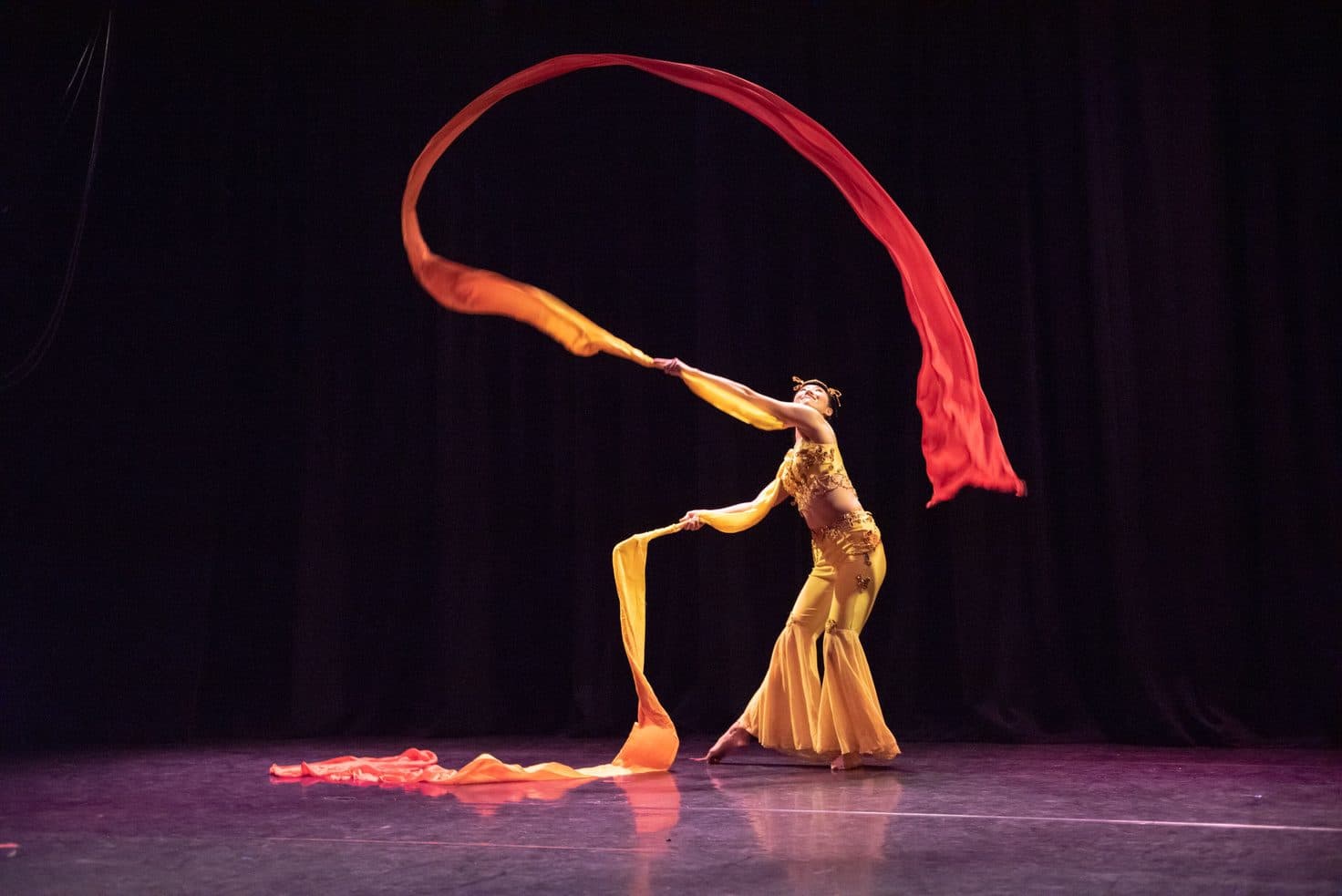
Fire-coloured silk kept in continuous motion until the fabric reads as flame.
Fire-coloured silk kept in continuous motion until the fabric reads as flame.
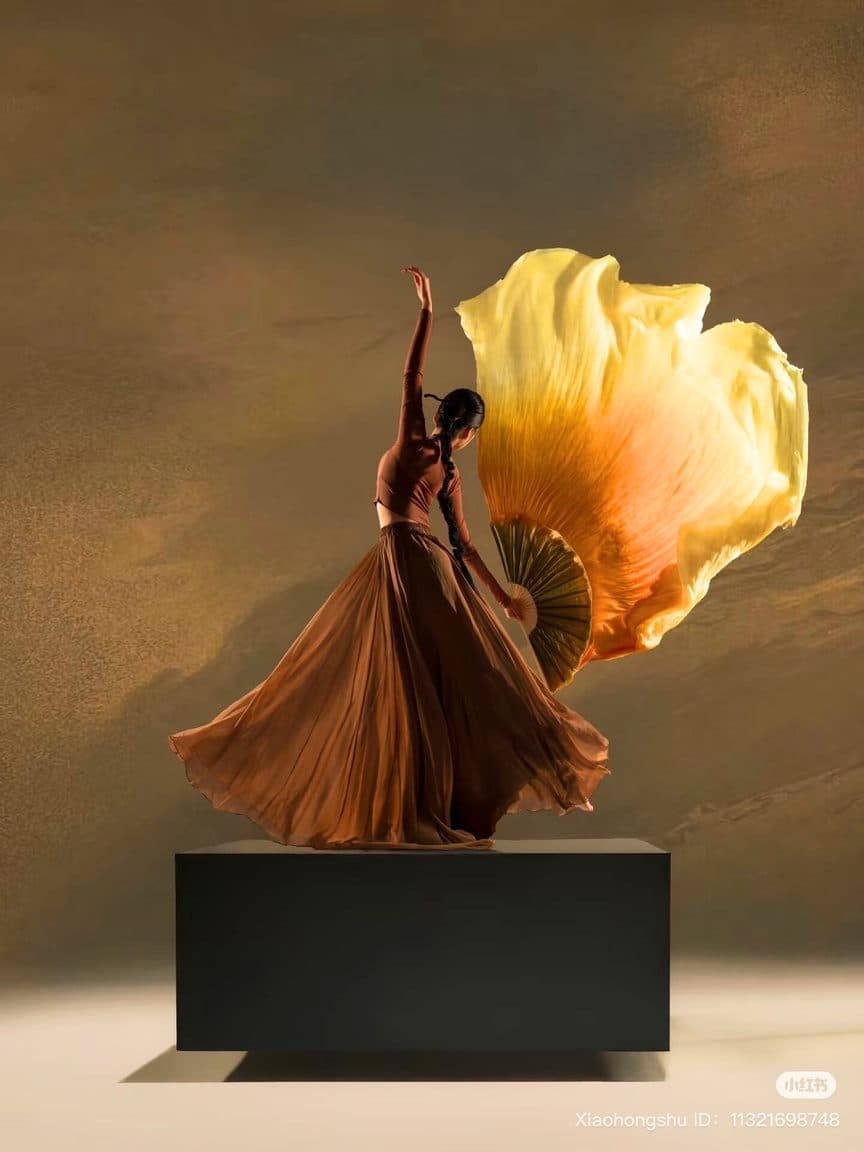
ShowreelLengths of silk in reds, oranges and golds worked in continuous overlapping circles, at a speed that keeps the fabric permanently airborne. Nothing is alight — the effect is entirely fabric, movement and colour. It is the act that fills a large stage most completely.
Nothing is alight — the effect is entirely fabric, movement and colour. It is closely related to ribbon dance in technique but quite different in intent: ribbon dance draws a line, flame silk fills a volume.
The piece opens with the silk low and gathered, the colour barely visible, then builds as the dancers lift it into progressively wider circles.
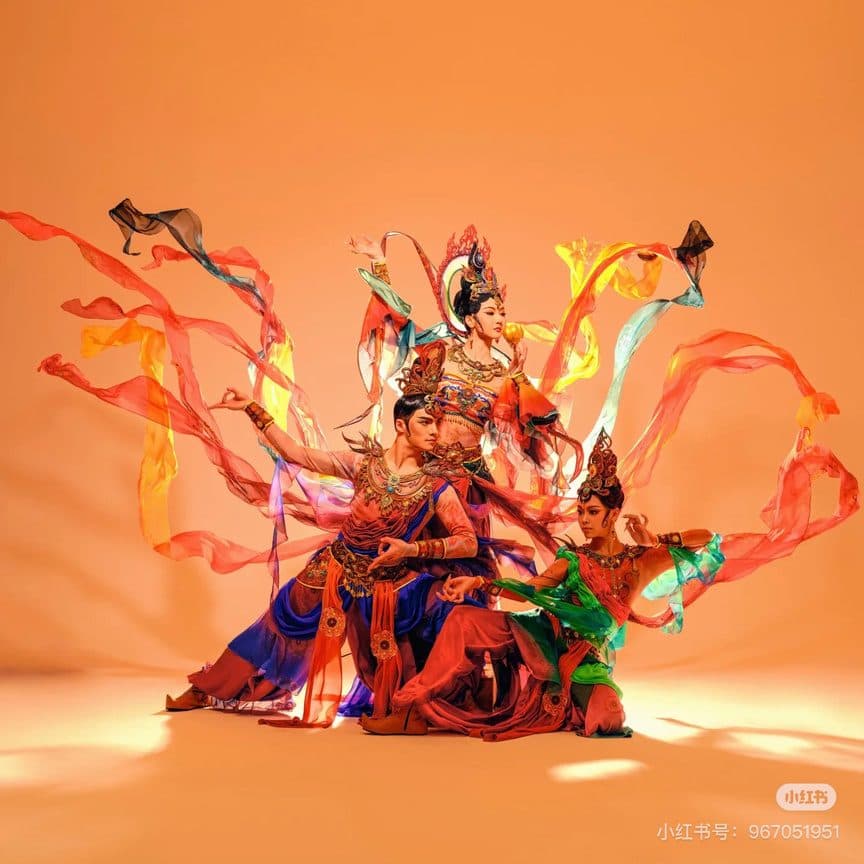
At full tempo the silks overlap between dancers so the individual lengths stop being distinguishable and the stage carries a single moving mass of colour.
Pieces typically end by collapsing back to stillness in one beat, the silk dropping at once.
This is a stage act. It suits galas, awards evenings, launches and New Year programmes where there is a proper performance area and a seated audience.
It is the wrong choice for a tight room — it needs more floor than any of our dances except dragon dance, and if the space cannot take it the effect collapses.
Fire in Chinese symbolism carries vitality, transformation and renewal rather than destruction, which is why the act sits naturally in new year and opening programmes.
Space is the binding constraint: around 8m × 8m of clear floor for a group and about 4m of height. The silks travel further than the dancers, so measure the sweep, not the headcount.
Indoor is strongly preferred. Floors should be clean and clear, and low pendant lighting rules the act out.
No. The effect is entirely fabric, colour and movement. There is no flame, no pyrotechnic and no risk assessment beyond a standard dance act.
Around 8m × 8m of clear floor and 4m of height for a group. It is one of our most space-hungry acts — send a floor plan and we will be honest about whether it fits.
Ribbon dance draws lines with long narrow silk; flame silk fills the space with broad fabric in fire colours. Flame silk needs more room and more dancers to work.
Two can perform it, but it is built for a group — four to eight is where the overlapping silks read as a single mass.
Ribbon Dance · Long Sleeve Dance · Lion Dance · Chinese New Year · Corporate