← All performances
Chinese Contemporary
Classically trained dancers working in a modern idiom, without the traditional frame.
Classically trained dancers working in a modern idiom, without the traditional frame.
 Showreel
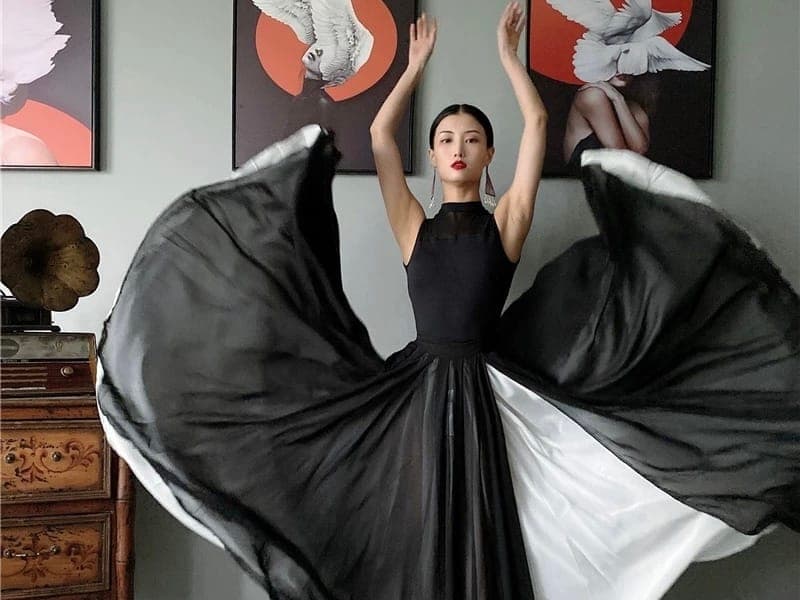
The same training underneath — the classical vocabulary of circular, continuous movement, the control, the floor work — applied to modern choreography and modern music. Costume is plain and contemporary rather than traditional, which changes entirely how the act reads.
The classical training stays underneath — circular, continuous movement, control, floor work — applied to modern choreography and modern music. Costume is plain and contemporary, which is what changes how the act reads.
Pieces are built as choreography rather than demonstration, with a shape and an arc rather than a sequence of set movements.
The classical foundation stays visible in the quality of movement — the continuity, the way a gesture resolves back into the body — even where the staging is entirely modern.
Because there is no prop to accommodate, it is the most adaptable act we have to an unusual space or brief.
It suits product launches, brand events, awards evenings and arts programmes — occasions that want a performance of real quality without a heritage framing.
It is also the sensible option where a traditional act might feel decorative or out of place, but the client still wants East Asian artistry in the room.
What emerged from the 1980s is neither one tradition nor the other. The line and control of the classical form remain unmistakable, but the choreographic thinking — abstraction, structure, the relationship to the score — comes from the modern one.
Around 6m × 6m of clear floor. Floor quality matters more than for our prop-based acts, since there is barefoot and floor work — tell us if the floor is stone, gravel or uneven.
Recorded score, so playback is the only technical requirement. Lighting makes a substantial difference to this act; tell us what is available.
Often, yes — it is the act best suited to a commission. A bespoke piece needs 3+ months and a conversation.
The training is, and it shows in the quality of movement. The costume and staging are contemporary, so it does not read as a heritage act. If you want the traditional framing, choose classical fan, ribbon or sleeve dance.
Even and clean. There is barefoot and floor work, so stone, gravel or uneven surfaces are a problem. Tell us what you have.
One to six. A solo suits an intimate space; a small group suits a stage.
Chinese Folk Dance · Long Sleeve Dance · Music Ensemble · Corporate · Private & Special Occasions